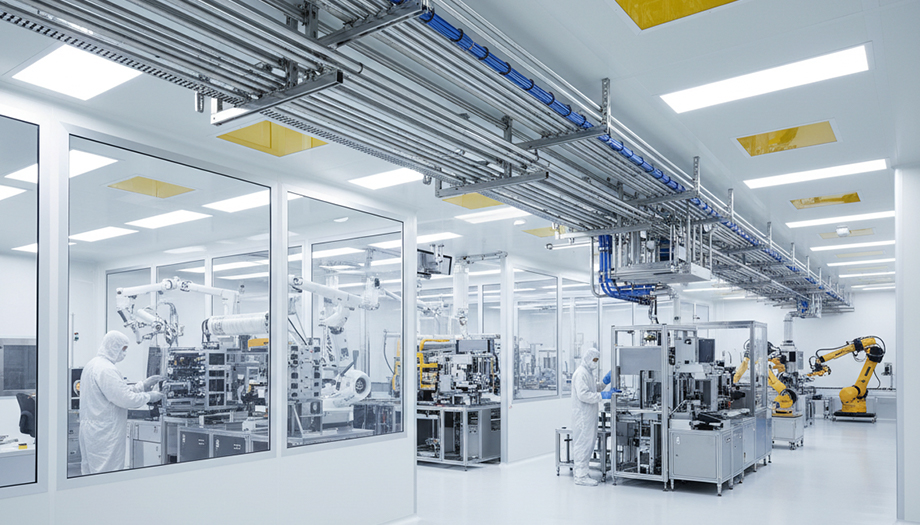
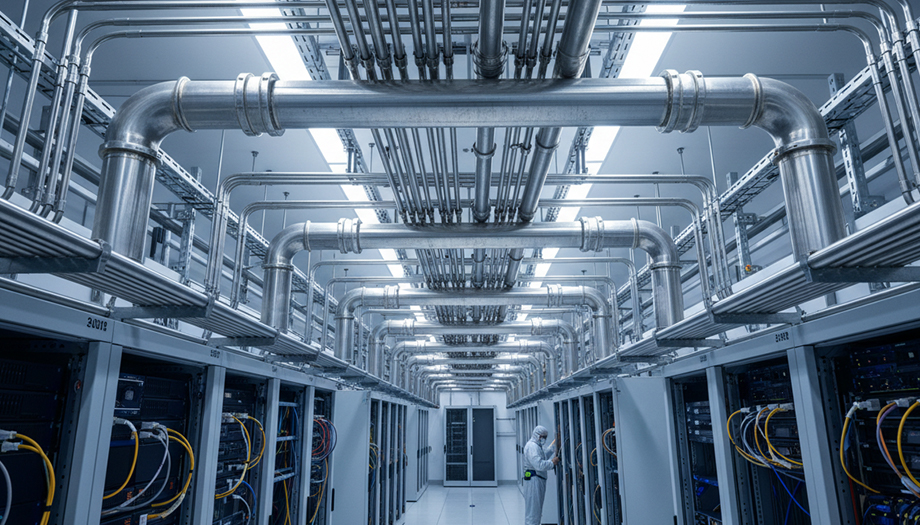
When we talk about the global energy transition, the conversation usually centers on giant wind turbines, acres of solar panels, or the latest EV battery chemistry. However, behind the scenes, humming quietly at substations, industrial plants, and renewable energy sites, sits the true backbone of the modern grid: the power transformer. These units step voltage up for long-distance transmission and step it down for safe local distribution. Because transformers sit at critical bottlenecks in the power grid, a single failure can lead to catastrophic downtime, costly fires, or regional blackouts. While engineers rightly focus heavily on core design, windings, and dielectric oil, there is a smaller component system that quietly dictates long-term reliability: the conduit and fitting infrastructure protecting critical control, instrumentation, and auxiliary cables.
The global transformer market is experiencing an unprecedented boom driven by grid modernization, renewable energy integration, and rising electricity demand from data centers and AI computing. In India, the target to reach 500 GW of non-fossil energy capacity by 2030 requires an aggressive overhaul of its transmission and distribution infrastructure. This is evident in major initiatives like the Green Energy Corridors Phase II, which connects massive solar and wind parks in Rajasthan, Gujarat, and South India to the national grid via high-capacity 400kV and 765kV transformers in challenging environmental zones. Similarly, the government's Revamped Distribution Sector Scheme (RDSS) works to drastically upgrade distribution transformers across rural and urban India to lower technical and commercial losses, while dedicated freight and high-speed rail corridors add continuous high-capacity traction sub-stations.
This massive capital investment extends globally across North America, Europe, and the Middle East. Over half of the high-voltage transformers in North America are past their 30-year design life, prompting utilities backed by federal infrastructure initiatives to order thousands of heavy-duty replacement units. Across the Atlantic, offshore wind farms along the North Sea and US East Coast utilize specialized offshore substations where step-up transformers face extreme marine conditions, including salt spray, high humidity, and constant mechanical vibration. Meanwhile, massive solar installations across the Middle East, such as Dubai’s Mohammed bin Rashid Al Maktoum Solar Park, deploy large outdoor step-up transformers subjected to severe sandstorms, intense ambient heat, and harsh UV exposure.
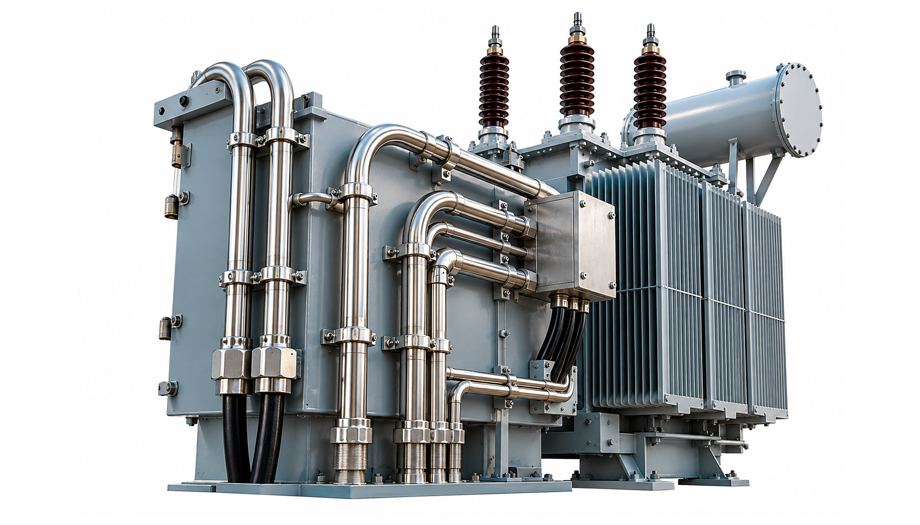
To operate reliably in these diverse environments, a power transformer depends on a network of external control, safety, and auxiliary systems that each require durable raceways. Key applications include Buchholz relay wiring, which detects gas accumulation and oil surges during internal faults and must remain intact during high-heat events. Pressure relief devices located near the top of the transformer tank need raceways that can handle severe thermal stress and weather exposure. Furthermore, temperature monitoring systems, such as Oil and Winding Temperature Indicators, feed critical diagnostic signals back to the main control panel through these conduits. Auxiliary cooling fan and oil pump motors rely on vibration-proof runs to power the cooling banks that regulate internal temperatures, while central marshalling kiosks require liquid-tight hubs and glands where dozens of rigid conduit runs terminate.
Historically, engineers specified galvanized rigid steel or PVC-coated conduit for transformer external wiring, but as utilities extend target operating lives to 40 years and beyond, stainless steel has quickly become the standard choice. Stainless steel, particularly grade 316, forms a self-healing chromium oxide film that handles coastal salt spray, industrial pollution, and high humidity indefinitely, whereas galvanized coatings typically wear away over 5 to 10 years and lead to internal wire damage. Additionally, transformers continuously vibrate due to magnetic forces in the core, creating a persistent hum that can loosen standard fittings or fatigue lower-grade metals over time; stainless steel rigid conduits and heavy-duty fittings easily withstand this ongoing stress. Unlike non-metallic or coated options, stainless steel will not warp, crack, or degrade under direct sunlight or hot transformer oil splashes. While the upfront material cost is slightly higher, eliminating mid-life raceway failures delivers a drastically lower total cost of ownership by avoiding unscheduled outages that can cost tens of thousands of dollars per hour.
When specifying raceway hardware for critical power infrastructure, material quality must be backed by strict compliance with international electrical standards to guarantee proper grounding, flame resistance, and ingress protection. Engineers and original equipment manufacturers building transformers for global deployment seek raceway components certified to UL standards (such as UL 6A and UL 514B) for North American markets, alongside BS EN / IEC 61386 and AS/NZS 61386 for Europe, Asia, Australia, and the Middle East. To meet these global demands cost-effectively, Indian manufacturing has stepped up as a major supply partner. Precision manufacturers like TSI INOX Conduits produce comprehensive lines of stainless steel rigid conduits, flexible conduits, and specialized fittings engineered specifically to UL, BS EN / IEC 61386, and AS/NZS 61386 specifications. Integrating compliant stainless hardware right at the factory stage ensures transformers arrive on site ready for immediate installation and decades of continuous, trouble-free operation.

The Crucial Role of Conduit Fittings in Electrical Installations

Stay updated with our latest product offerings!